TMJ/TMD Treatment in in Bonita Springs

TMJ/TMD Therapy
In Bonita Springs, Florida

Jaw clicking/popping, muscle soreness or muscle tension can compromise your comfort and keep you from chewing with natural ease. This pain often stems from an imbalance between your jaw joints and your bite, which can result in tooth aches, muscle pain and joint pain and degeneration. These imbalances can often be managed with a variety of minimally invasive treatments such as occlusal equilibration or splint therapy. Find relief with solutions from your dentist today.

Join our VIP list
Call (999) 999-9999

Why Should I Get TMJ/TMD Treatment?

TMJ/TMD therapy is the best way to restore your oral range of motion, eliminate your pain, and get you back to your day-to-day routine. The pain and discomfort of TMD can be extreme, and it can stop you from eating your favorite foods, chewing normally, or even speaking without pain and discomfort. Jaw joint disorders won’t get better on their own, and may even get worse over time. If you’re having jaw pain, that’s not normal. Contact us for a consultation right away. We’ll get to the bottom of the problem, give you a diagnosis, and provide the care you need for a healthy, functional, pain-free jaw.
No items found.

The Benefits of TMJ/TMD Therapy

Relieve Your Pain And Discomfort

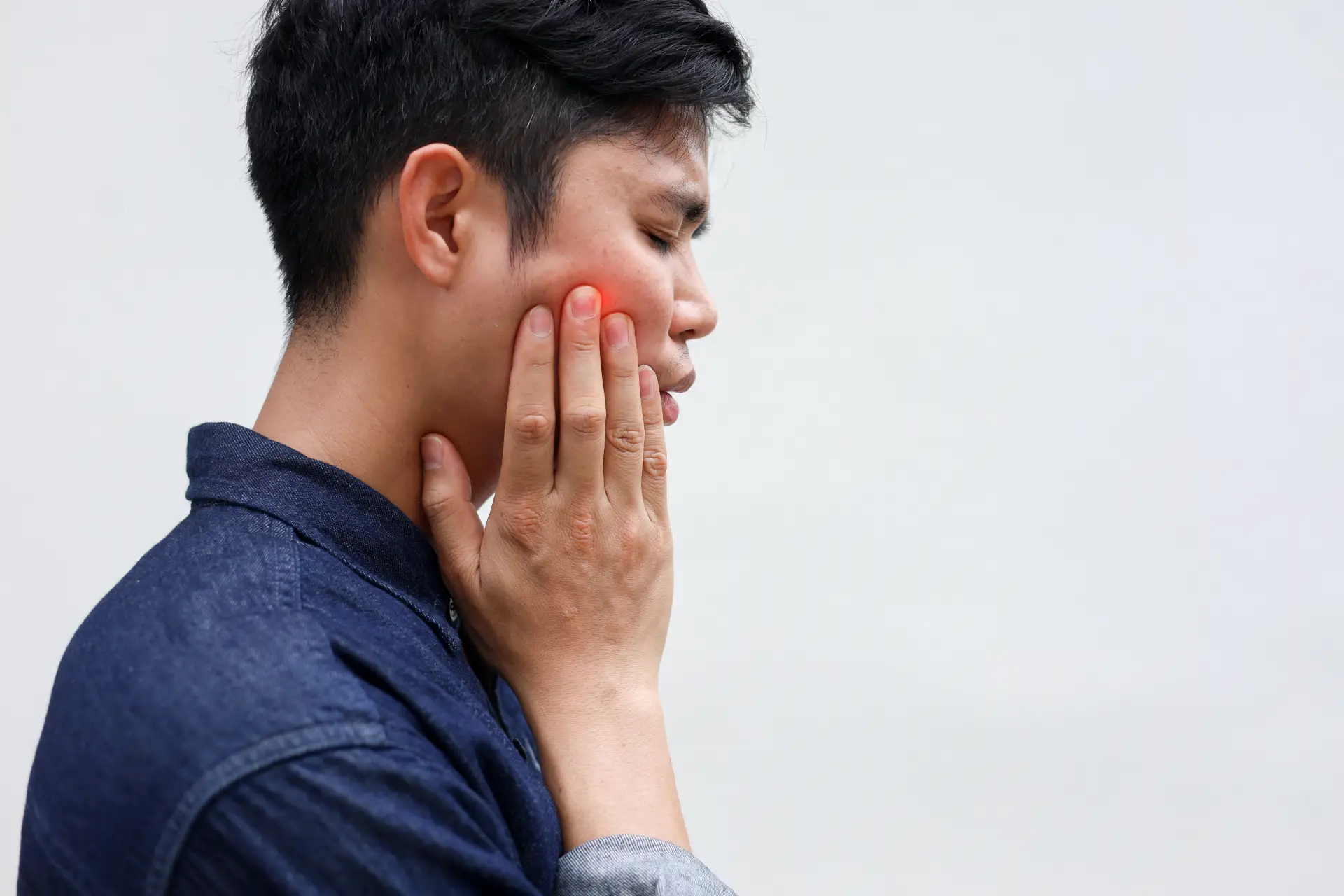
TMJ/TMD causes serious, chronic jaw pain that can interfere with your ability to work, focus on school, and live your day-to-day life. With proper treatment at our office, you can get your life back to normal.

Restore Oral Range Of Motion

TMJ/TMD can make your jaw “lock” or stiffen. This makes it hard to open and close your mouth properly, which could interfere with biting, eating, and even speaking. Treating TMJ/TMD restores your oral range of motion.

Treat Other Related Problems

TMJ/TMD is related to lots of other problems including tinnitus (ringing of the ears), teeth grinding, chronic headaches, neck and upper back stiffness, and more. With proper treatment from a qualified dentist, you can get relief from a variety of symptoms that may be related to TMJ/TMD.

Our Difference

TMD Treatment Options

We offer multiple approaches to TMD treatment, including splint/orthotic therapy, occlusal equilibration, physical therapy through referral, and, when necessary, surgical intervention through trusted specialists. Our comprehensive, whole-body approach allows us to personalize care based on your symptoms, lifestyle, and long-term goals—so treatment is never one-size-fits-all.

Durable Mouthguards

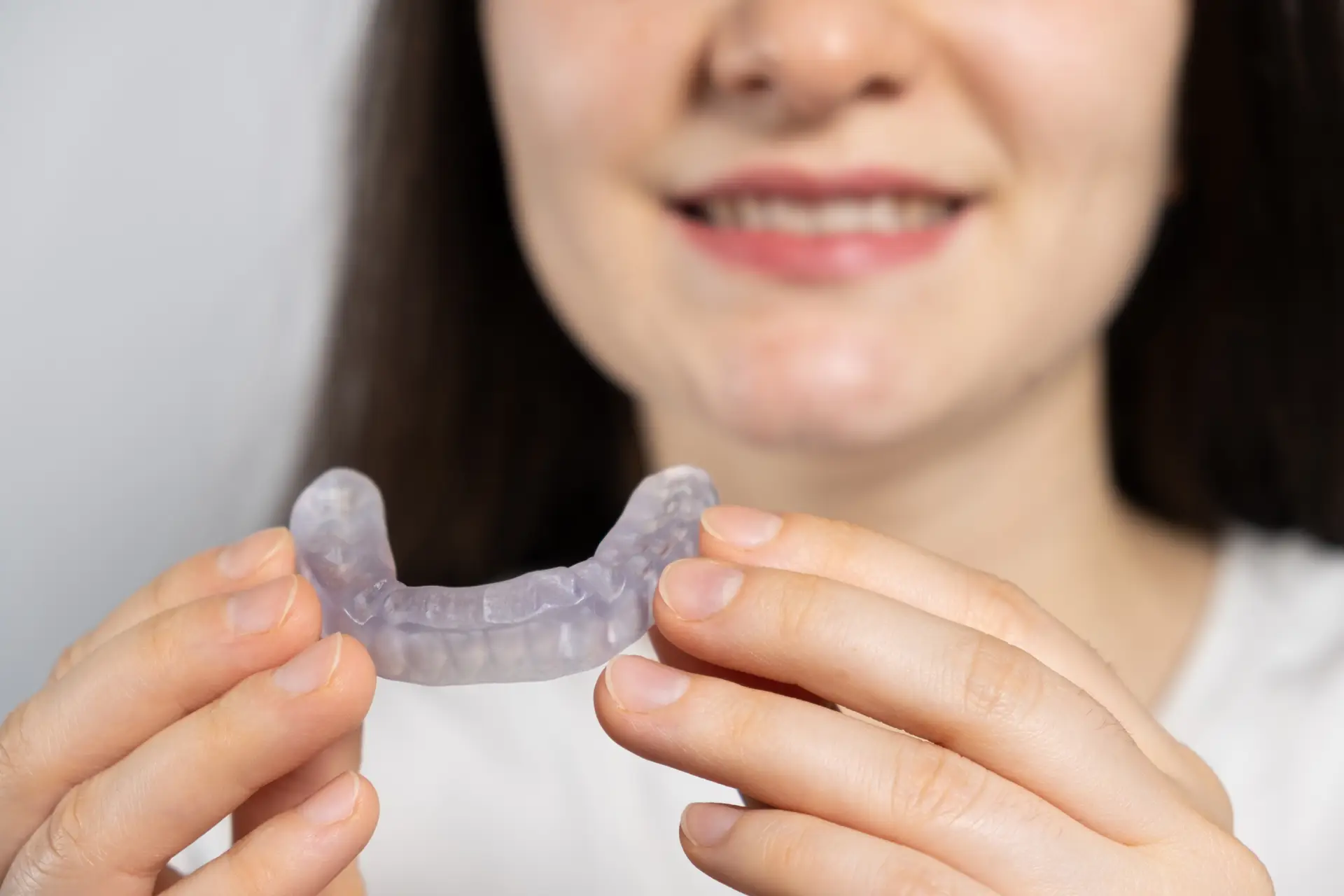
If you grind or clench your teeth, these are signs of an imbalance in the system. Part of the TMD therapy involves prescribing a custom-made acrylic splint to keep your jaw in the proper position. Splints are one of the least invasive tools we use for TMD therapy.

Advanced Tools for Precise Care

While traditional x-rays provide 2-dimension images, Cone-Beam Computed Tomography (CBCT) captures a 3-dimensional view of your jaw, teeth, joints and even your airway if needed. This unparallel precision allows your dentist to provide the most accurate diagnosis for your unique condition.

Goop-Free Impressions

With our state of the art digital intraoral scanner, your dentist can take a non-invasive 3D scan that captures precisely the form and structure of your mouth for custom-fit mouthguards. It is a fully digital process - no putty necessary.

Previous
Next
No items found.

The TMJ/TMD Treatment Process

Initial Consultation & Diagnosis

TMJ/TMD can be caused by lots of different things, from imbalance between your bite and your joints to breathing/airway problems, and even some auto-immune problems like arthritis in the joint. So the first step is to come to our office for an appointment. Your doctor will perform a comprehensive oral exam, discuss your symptoms, and determine what’s causing your TMJ/TMD.

Developing Your Treatment Plan

Once your dentist has determined the potential causes of your issue, they will work with you to develop a custom treatment plan. This could include things like teeth restorations and occlusal equilibration, oral appliance therapy (OAT) to adjust the position of your jaw, and even things like orthodontic treatment and in some cases surgical intervention.

Physical Therapy

Along with TMJ/TMD therapy from your dentist, physical therapy can help improve your oral range of motion and the symptoms of TMJ/TMD by reducing pain and restoring proper muscle function. Guided exercises and manual techniques work together to decrease symptoms, helping patients return to comfortable, healthy jaw function.

faq'S

Frequently Asked Questions

Join our VIP list
Call (999) 999-9999

Some cases of mild TMD may go away on their own with lifestyle changes. However, if you have been suffering from symptoms of TMD for months, your condition may be chronic and if left unchecked, it can progress and cause worse symptoms. To learn more about your specific case of TMD, it’s best to seek a qualified, experienced dentist to get the help you need.

TMD and TMJ pain is caused by a variety of different issues:

- Direct trauma to the temporomandibular joint

- Imbalance between your bite and joint position

- Airway problems

- Bruxism or teeth grinding

- Lifestyle issues, such as excessive gum chewing

- Inflammatory and systemic disorders like rheumatoid arthritis

Because TMD and TMJ pain can be caused by so many different issues, it’s important to see an experienced dentist when seeking care.

The symptoms of TMD vary quite a bit depending on the state of the joint and how progressed is the disorder. You may experience issues like:

- Muscle tenderness

- Clicking/Popping on one or both joints when opening or closing your mouth,

- Pain and stiffness

- Migraine headaches

- Tinnitus

- Clicking or popping noises when moving your jaw

- Difficulty opening your jaws all the way

- Pain when chewing or eating

If you notice any of these symptoms, we recommend scheduling an appointment with your dentist right away to get help.